
Running & nutrition
Getting the right nutrition when you run is vital to ensure your body can perform and recover at its best.
Running & nutrition Intro
Good nutrition plays a key role in helping you to achieve your running goals. It will ensure that your body has adequate amounts of the different nutrients needed to prepare for exercise, recover afterwards and sustain overall good health.
A nutritious diet has a good balance of carbohydrates, fats, protein, fruits and vegetables to support your running. You don't need to be completely rigid with your diet - it's ok to still allow yourself treats.
The importance of nutrition for running
In this video, Jo Pavey talks you through the importance of good nutrition to ensure your body has everything it needs to perform at its best and recover after running. A balanced diet is essential for good health and getting the right nutrients and fluid at the right times will support your running journey.
Macronutrients
A typical runner's diet is composed of around 60-65% carbohydrates, 20% protein and 15-20% fat. These are known as macronutrients.
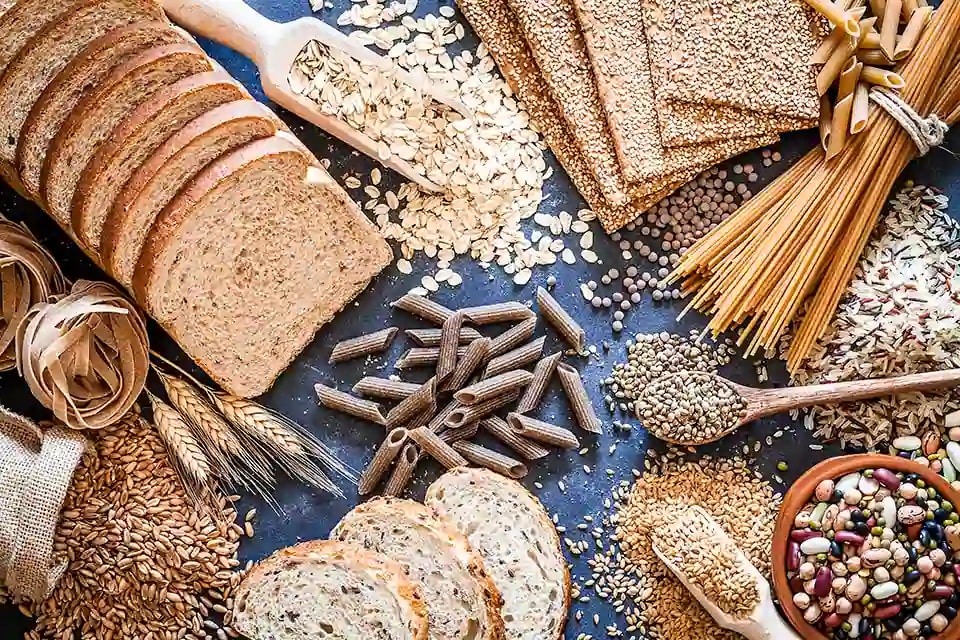

Carbohydrates
As your running progresses your energy demands will increase, so it's important to make sure you consume enough carbohydrates. At first you won't be doing a very high volume of running, so increasing your carbohydrate intake will be more crucial as you progress to higher volumes of training. Ensuring that you cover your energy requirements during harder blocks of training is important, as inadequate energy intake will affect your ability to recover from workouts and can lead to a lowered immune system, fatigue and even muscle loss. You'll need to ensure you eat enough carbohydrates to maintain glycogen stores in your muscles.

Protein
As a runner, you'll need to consume some extra protein for recovery as it's important for the repair and maintenance of muscle. Inadequate protein intake could lead to an increased likelihood of picking up an injury.



Fats
Often runners try to avoid fat in their diet, but some fat is essential, especially for overall health as it is necessary for absorbing fat soluble vitamins such as vitamins A, D and E.
Vitamins and Minerals
Vitamins and minerals are the micronutrients that you need. These can be gained by eating a healthy, balanced diet with lots of variety. Opt for lots of different coloured fruit and vegetables and whole grain carbohydrates, along with ensuring adequate proteins and fats. Try to avoid over processed foods as much as possible too.
It shouldn't be necessary to take supplements if you're eating a balanced diet. However, runners do need to ensure an adequate intake of iron, magnesium, calcium, B vitamins and vitamin D. Certain diets may require additional support to get adequate amounts of these.

Fluid intake
You need to keep well hydrated to be able to carry out your training. It's best to take on fluids in the hours before your run so that you avoid the need to drink a large amount of fluid just before. It's also advisable to drink only small amounts or sips in the last hour or so before you run. This should mean you won't have fluid moving around in your stomach when you're running and it will reduce the likelihood of needing a loo stop.
Unless the conditions are really hot, you should be fine to run without taking a drink if you're running less than 40 mins to an hour. But if you want to, you can take water bottles with you or wear a hydration vest. In rare circumstances runners have been known to overhydrate which has led to dangerously low sodium levels, but this is something that would be more of a risk for those running the marathon and beyond.
During or after intense exercise, sports drinks that contain electrolytes are useful to replace electrolyte loss and can help you rehydrate quickly.


Timing of nutrition
For a runner, it's not only about what you eat but the timing of your nutrition too. A balanced and varied diet is good but eating spicy food or too much fruit and vegetables for your pre-workout snack would not be good timing.

Before your run
Before a run it's best to leave at least 2 to 3 hours between eating and running. If the workout is more intense then it's best to leave at least 3, but you can have a small snack such as a small banana or a bit of an energy bar 2hrs to 90 minutes before.
Good pre-run snacks need to have easily digestible carbohydrates, such as some porridge with banana. You can include some protein, such as nut butter on toast, for more sustainable energy. Just choose something that won't upset your stomach and try different things to establish what works best for you. Make sure you keep to your routine for important runs and events.

About Jo Pavey
Jo is a British long-distance runner and a World, European and Commonwealth medallist. Having represented Great Britain in every Olympic Games from 2000 to 2016, she is the only British runner and track event athlete to have competed in five games.
Jo has two children with her husband Gavin, who is also her coach and manager.


Useful running resources



Subscribe to our Health & Wellbeing updates
The content of the WPA website including the WPA Health and Wellbeing hub is for information only and is not a substitute for professional medical or legal advice or treatment and you should not rely upon it for that purpose. You should make your own full enquiries as to expertise and WPA makes no representation to the suitability, quality, reputation, experience or other attributes of those third parties' services. Use of any third party service is at your own risk.
WPA assumes no responsibility for the services supplied by third parties and, to the maximum extent permitted by law, excludes all liability to you for any loss or damage caused by third parties whom you identify from the WPA website. This exclusion of liability shall also apply to third parties who have acted negligently. For further information please see our Privacy & Legal section.