Debunking weight loss
08 January 2026
Last reviewed: 08 January 2026
Debunking weight loss
When it comes to weight loss, there's a lot of noise out there. Calorie counting, carb cutting, fat fearing, quick fixes - you've probably heard it all before. But how much of it is actually true?
Registered nutritionist Clarissa Lenherr breaks down some of the most common myths around weight management and offers simple, sustainable habits that really do make a difference.
Myths and half-truths
Losing weight can feel complicated, but it doesn't have to be. A lot of the advice out there is mixed up with myths and half-truths.
Lets clear that up.
Isn't weight loss just about calories in versus calories out?
Yes, calories matter. But the quality of your calories matters just as much. An avocado and a portion of chips may have similar calorie counts, but only one comes with fibre, vitamins, and nutrients that keep you full and fuelled.
It's not about squeezing whatever you can into a calorie number - it's about choosing foods that genuinely support your body.
Should I be cutting carbs to lose weight?
Carbs get a bad rap, but they're not the villain. Whole grains, oats, brown rice, quinoa, and starchy veg provide:
- Long-lasting energy (instead of sugar spikes and crashes)
- Fibre for digestion and satiety
- A sense of fullness that helps curb cravings
It's the highly refined white breads, pastas, and rices that are best eaten in moderation.
Does eating fat make you fat?
Not quite. In fact, healthy fats are essential for your brain, skin, hormones, and nervous system. They also keep you fuller for longer, which means fewer sugar cravings later.
Think: extra virgin olive oil, avocados, nuts, and seeds. It's the excess - not the presence - of fat that tips the scales.
Shouldn't weight loss be quick if I'm doing it right?
The truth? Slow and steady progress is far more sustainable. Crash diets often cause yo-yo weight gain because your metabolism adapts, and once the diet ends, the weight creeps back.
Instead, Clarissa recommends focusing on long-term balance and building habits you can actually stick with.
The building blocks of sustainable weight management
So what does work? Clarissa's advice is refreshingly down-to-earth:
1. Balance your plate
- ¼ protein (chicken, fish, beans, tofu) for fullness and muscle health
- ¼ complex carbs (brown rice, quinoa, oats, starchy veg) for slow energy
- ½ vegetables for vitamins, minerals, and fibre
- 1–2 tbsp healthy fats to aid satiety and nutrient absorption
2. Cut back on hidden sugars
Skip the sugary drinks, watch those spoonfuls in your tea or coffee, and look out for "added sugars" in packaged foods. Sugar spikes lead to crashes, which fuel more cravings.
3. Move more, every day
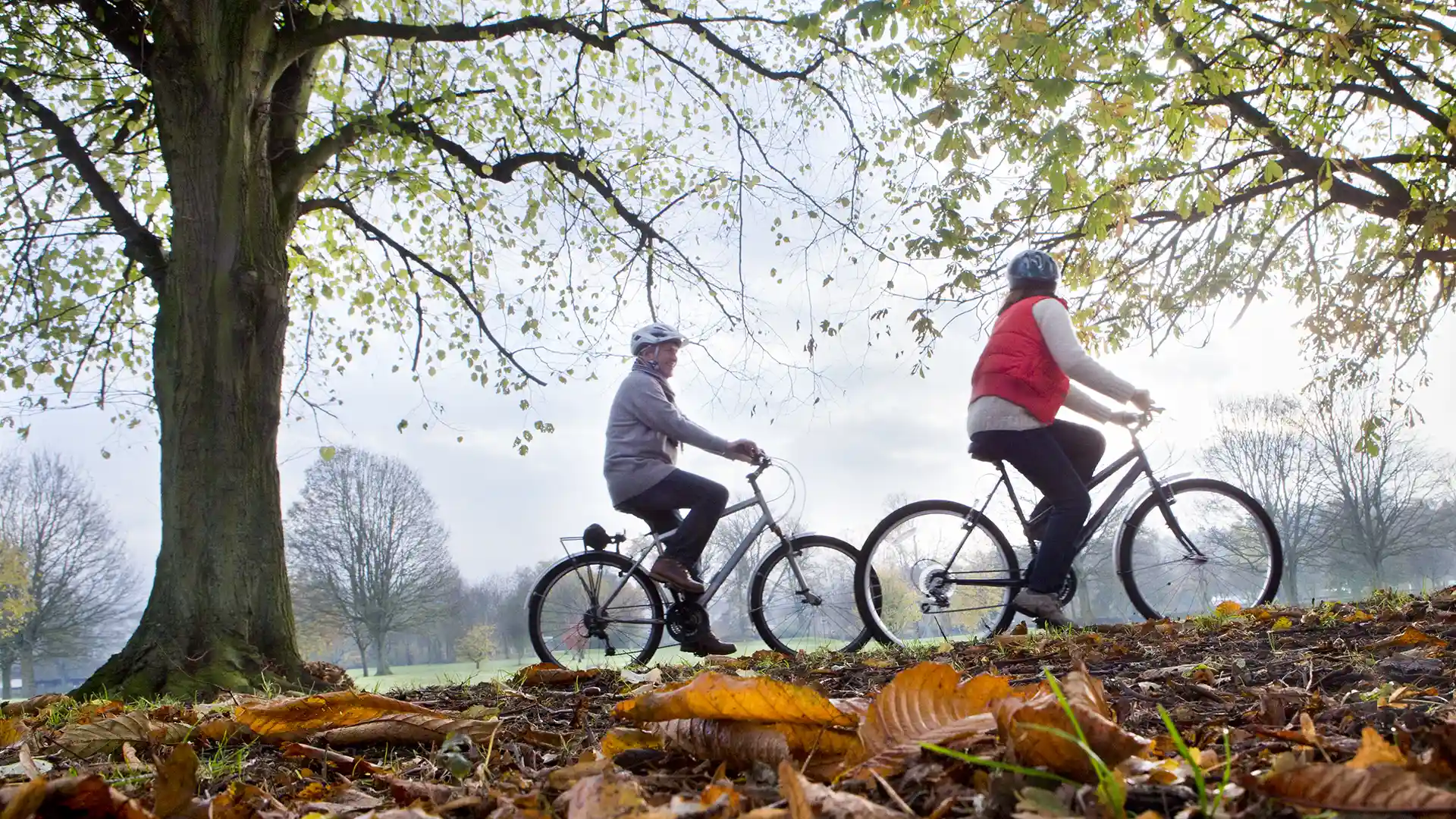
It's not just about gym workouts. Walking meetings, stairs instead of lifts, getting off the bus a stop early, even squats while brushing your teeth - it all counts.
4. Prioritise sleep
Poor sleep throws hunger hormones out of balance, making you hungrier and more likely to crave sugar. Aim for 7-9 hours, cut caffeine after mid-afternoon, and try a screen-free wind-down before bed.
5. Snack smart
Pair protein + fibre (like hummus with veg sticks, yoghurt with berries and seeds, or a little dark chocolate with nuts). That way, you avoid the sugar highs and lows that leave you raiding the cupboards.
6. Habit stack
Don't try to change everything at once. Add healthy tweaks onto habits you already have:
- Add protein to your usual breakfast
- Do stretches or squats while waiting for the kettle to boil
- Swap white rice for brown when you’re cooking a curry
7. Follow the 80/20 rule
Perfection isn't the goal. Aim for nutritious choices 80% of the time and leave space for flexibility. That way, you avoid the "all or nothing" trap - which is where most fad diets fall apart.
The takeaway
Weight loss doesn't mean cutting out whole food groups, obsessing over calories, or chasing quick fixes. It's about balance, small consistent changes, and giving your body the fuel it needs.
Clarissa's biggest message? Don't fear carbs or fats, don't expect overnight results, and don't fall for the fads. Instead, build everyday habits you can live with - and your health (and physique) will thank you for it.